Blog
AI vs Traditional Product Photography
A practical comparison for ecommerce sellers. When does AI make sense? When should you hire a photographer? Real costs, real quality, real trade-offs.
By CheeppyPublished 10 min read
The Product Photography Landscape in 2026
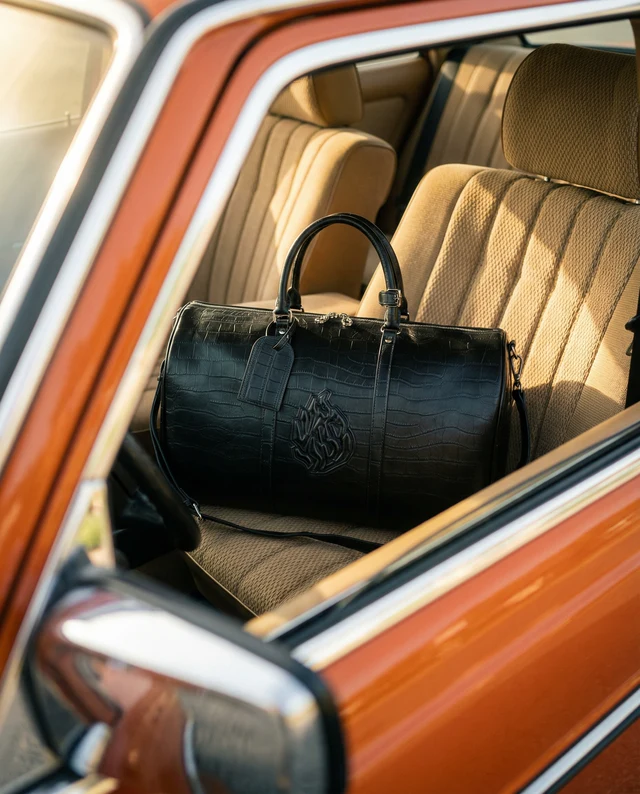
AI image generation has fundamentally changed product photography. What required a studio, professional photographer, lighting equipment, and hours of post-production can now be done in seconds with AI tools. But that doesn't mean traditional photography is dead — each approach has distinct advantages.
This guide compares AI and traditional product photography across every dimension that matters to ecommerce sellers: cost, quality, speed, scalability, creative control, and authenticity.
Cost Comparison
This is where AI photography has the most dramatic advantage.
- Traditional studio shoot: $200-500 per half-day + $10-25 per image retouching. A 100-image catalog: $2,500-10,000.
- AI photography (Cheeppy Pro): $35/month for 1,800 credits. A 100-image catalog in 4K: ~$35. That's 99% cheaper.
- DIY photography: $50-200 initial setup + your time. Cost-effective but time-intensive and quality varies.
- Freelance photographer: $150-500 per product line. Quality varies significantly between photographers.
Quality Comparison
In 2026, AI-generated product images are effectively indistinguishable from professional studio photography for ecommerce purposes. The AI handles lighting, shadows, reflections, and material rendering accurately enough that buyers cannot tell the difference.
Where traditional photography still has an edge: highly creative editorial shots, complex multi-product compositions, and situations where the unique imperfections of real photography add character (like food photography with steam or movement). For standard product listings, AI quality matches or exceeds what most traditional studios deliver.
Speed and Scalability
AI photography is dramatically faster and scales instantly.
- Traditional: Schedule shoot (days-weeks) + shoot day + editing (2-5 days) = 1-3 weeks per batch.
- AI: Upload product photo + select style + generate = 30 seconds per image. An entire catalog in an afternoon.
- Traditional scaling: More products = more shoots = more cost. Linear scaling.
- AI scaling: More products = same tool, same speed. No additional logistics. Instant scaling.
Creative Control
Traditional photography offers more creative control for unique, one-of-a-kind shots. A photographer can implement a specific creative vision, experiment with unusual angles, and make real-time adjustments during a shoot.
AI photography offers creative breadth — hundreds of pre-designed professional styles, instant variation testing, and the ability to try wildly different aesthetics without additional cost. What you lose in bespoke creative direction, you gain in variety and experimentation speed.
When to Use Traditional Photography
Traditional photography still makes sense in specific scenarios.
- Brand campaign imagery requiring a unique creative vision that doesn't exist in any style library.
- Products with complex physical interactions — running water, steam, movement, human models in specific poses.
- Premium brands where the photography process itself is part of the brand story.
- Products that require precise physical staging — open packaging, products in specific arrangements.
When to Use AI Photography
AI photography is the better choice in most day-to-day ecommerce scenarios.
- Standard product listings across any marketplace (Amazon, Shopify, Etsy, eBay).
- Large catalogs that need consistent imagery at scale.
- New product launches where speed matters more than custom creative.
- A/B testing different visual styles to optimize conversion rates.
- Seasonal updates — refresh your catalog visuals without reshooting.
- Budget-conscious sellers who need professional quality without studio costs.
The Hybrid Approach
Many successful brands use both. They invest in traditional photography for hero images and brand campaigns, then use AI photography for standard product listings, catalog maintenance, and quick iterations. This gives them the best of both worlds: unique creative when it matters, and efficient, consistent imagery for everything else.
Related pages