Blog
AI Fashion Model Photography
How AI generates realistic on-body product shots without models, studios, or casting calls — what works in 2026, where it still fails, and how to integrate it into a fashion brand workflow.
By CheeppyPublished 11 min read
What "AI Fashion Model Photography" Actually Refers To
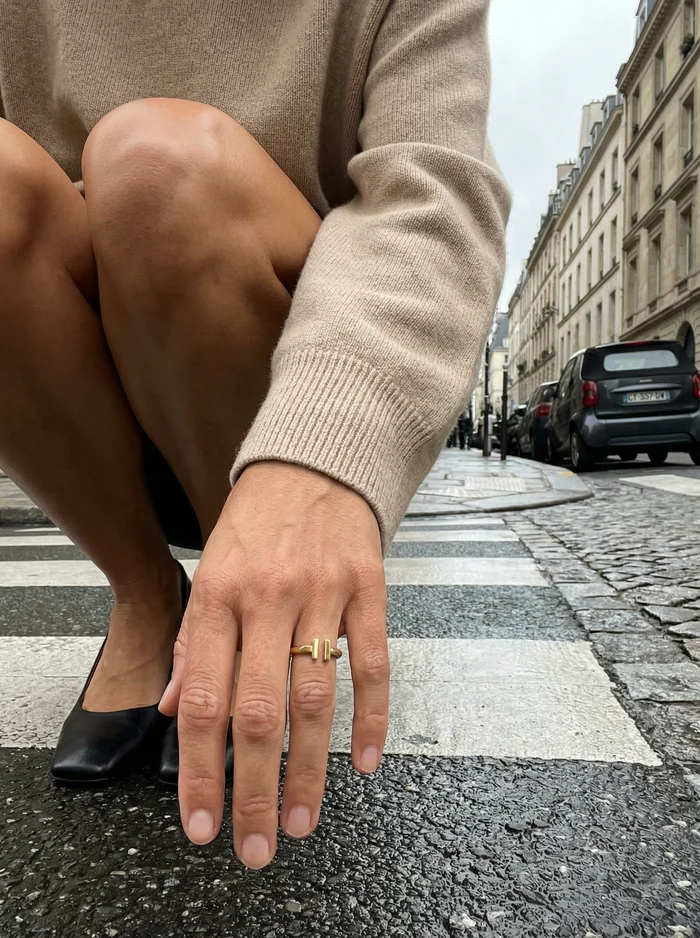
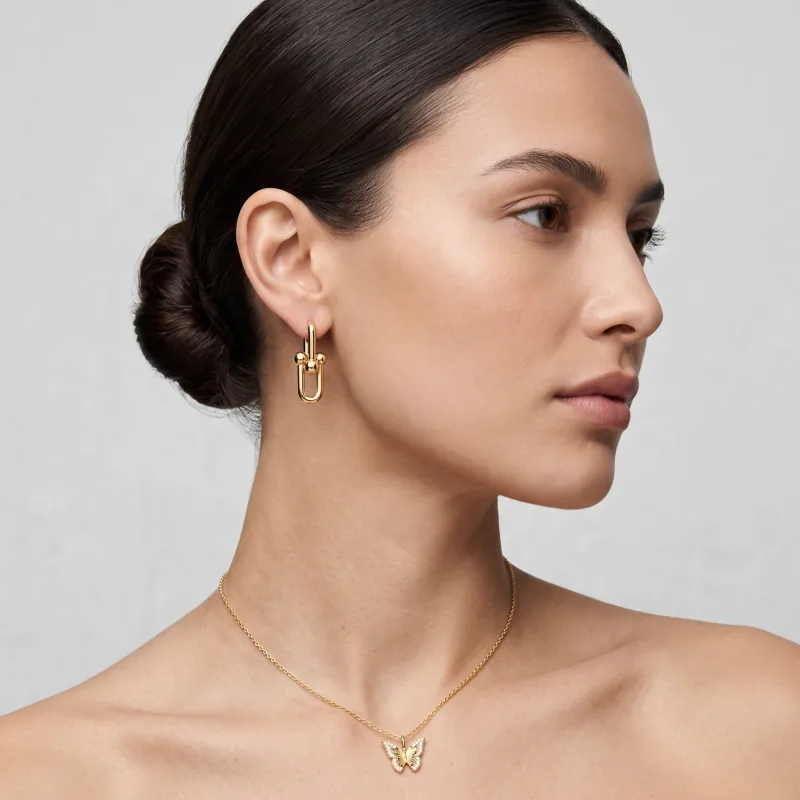
AI fashion model photography is the generation of realistic photographs of human models wearing a specific garment, accessory, or product — produced from a flat-lay or hanger source image rather than a live photo shoot.
The category has matured rapidly. In 2023, AI on-body shots were uncanny and unusable. In 2026, top-tier tools produce results that pass basic inspection on social, ad creative, and even some product detail pages — though editorial campaigns still benefit from human photography.
Where AI Model Generation Excels
- Pre-launch lookbooks: shoot a virtual sample before manufacturing finalizes — useful for crowdfunding, MOQ negotiations, and pre-orders.
- Marketplace expansion: each marketplace prefers different model demographics. Generate region-specific imagery without flying a crew across continents.
- Variant photography: 12 colors of the same dress = 12 separate shoots normally. With AI, one source garment generates all variants.
- Speed: a phone photo of a hangered garment becomes a finished on-body shot in 30 seconds, not 2 weeks.
- Cost compression: typical shoot day costs $3,000-15,000 (model fees, photographer, studio, stylist, hair/makeup). AI generation lands at cents per image.
Where AI Still Fails
AI fashion model photography has clear, repeatable failure modes. Knowing them upfront saves wasted credits and bad campaigns.
- Complex garment construction: layered drapery, asymmetric cuts, and unusual silhouettes confuse segmentation models. The hem floats; the seam vanishes.
- Hands holding the product: bags, clutches, and small accessories require accurate hand-product interaction. AI hand rendering has improved but is still the most common visible flaw.
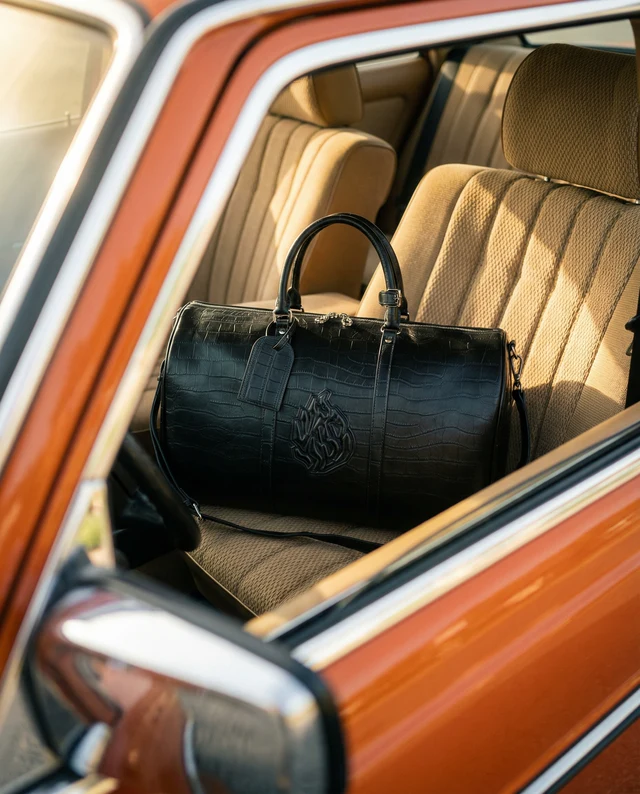
- Brand-specific labels and trims: hardware (zippers, buckles, embossed logos) gets reinterpreted. Always check labels at 100% zoom.
- High-end editorial: the lighting, expression, and styling that defines luxury fashion still benefits from human creative direction.
- Movement and flow: dynamic shots (running, twirling, jumping) where fabric responds to motion — AI cannot yet match a real wind machine.
Source Photo Quality Determines Output Quality
AI fashion generation is GIGO — garbage in, garbage out. The single biggest predictor of output quality is the source photo of the garment itself.
- Shoot the garment flat or on a clean dress form, not crumpled on a chair.
- Use even, diffused light. Hard shadows on the garment carry through to the AI output.
- Capture the entire garment in frame with at least 100px of margin on all sides.
- Show distinctive details — labels, hardware, prints — clearly. The AI cannot infer what it cannot see.
- Higher resolution source = higher resolution output. A 4K source garment photo produces noticeably better generations than a 1K snapshot.
Diversity, Ethics, and Brand Voice
AI-generated models raise legitimate questions that traditional photography does not. Operators need to think through three issues before going to scale.
- Demographic representation: AI defaults can skew toward narrow body types and ethnicities. Explicitly select for diverse model outputs to avoid reproducing biased defaults.
- Disclosure: some markets and platforms (notably the EU under the AI Act) increasingly require disclosure when imagery is AI-generated. Check local rules and platform policies.
- Brand authenticity: brands built on real-people storytelling (DTC fashion, body-positive labels, community-led brands) may want AI images on background slots only, with real photography for the hero shots that define brand voice.
- IP and likeness: AI-generated faces are typically synthetic, but verify your tool does not produce recognizable likenesses of real people.
Platform-Specific Considerations
- Instagram and TikTok: lifestyle AI shots perform well in feed and ads. Disclosure helps community trust — many brands now tag AI imagery.
- Shopify product page: hero studio shot of the garment, AI on-body shot in slot 2 or 3, real photography in featured slots if possible.
- Amazon Fashion: white-background flat-lay or mannequin remains the safest hero. Lifestyle slots accept AI on-body imagery.
- Wholesale and B2B: linesheets benefit from consistent on-body imagery across the entire collection — a perfect AI use case.
- Print catalogs and lookbooks: high-end print still rewards real photography; AI saves time on the mid-range pieces.
A Realistic Brand Workflow
The brands getting the most leverage from AI fashion photography in 2026 use a hybrid workflow rather than going all-in on one approach.
- Hero campaign shoot once or twice a year with real models — defines the brand voice, populates the homepage and key collection pages.
- Day-to-day product photography handled by AI generation from flat-lay sources — fills product pages, collection pages, and email.
- Variants and seasonal refreshes via AI exclusively — color swaps, holiday styling, regional adaptations.
- Ad creative testing rotates AI-generated lifestyle scenes — cheap to produce, fast to iterate.
- Social content blends real lifestyle and AI lifestyle, with AI clearly disclosed where the brand voice requires it.
How Cheeppy Handles On-Body Generation
Cheeppy ships with a marketplace of professional human-model styles built by our creators. Each style is a fully tuned scene — pose, lens, lighting, composition — so output is consistent across every garment in a collection.
You upload a flat-lay or hanger photo of the garment, pick a style visually (no prompt-writing), and the system generates a 4K on-body shot in 15-30 seconds. Up to four product slots per generation handle full outfit assembly (top + bottom + accessory), and direct Shopify sync attaches finished images to product variants automatically.